The cover story · Chris Niebauer, Ph.D.

Do you have a thinking problem?

99% of our problems are due to thinking

Are you ready to start using your mind rather than having your mind use you?

My work uses neuroscience to show how the thinking mind causes suffering. The thinking mind creates the idea of who we think we are, in addition to most of the problems we think we have.

Explore the books
New book by Chris Niebauer, Ph.D.

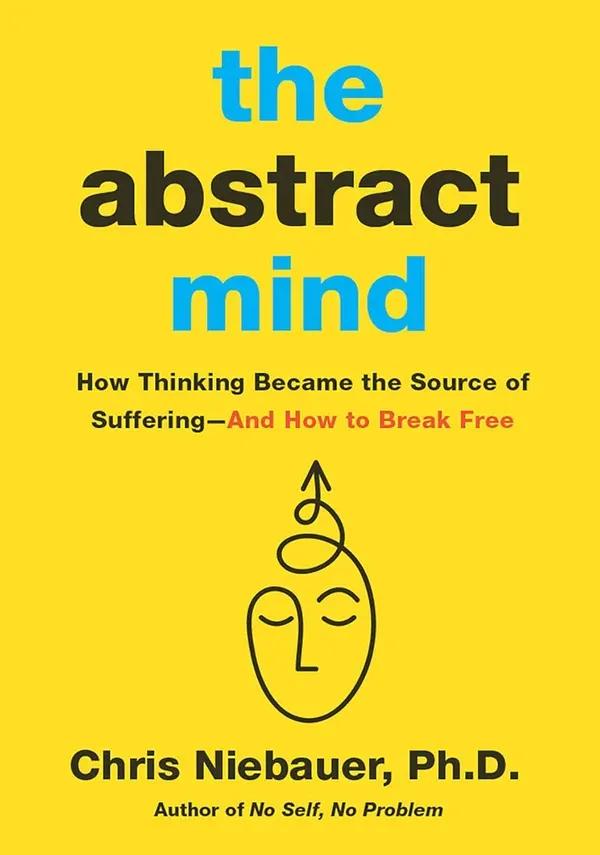
The Abstract Mind

How Thinking Became the Source of Suffering — And How to Break Free

Book cover reading 'The Abstract Mind' with a yellow background and a line drawing of a serene face with a swirling arrow

In The Abstract Mind, bestselling author and cognitive neuropsychologist Chris Niebauer illuminates how abstraction creates illusions that interfere with our perception of reality, how these illusions give rise to mental suffering, and how, with a little practice, you can learn to see through them.

This book isn’t another guide to mindfulness. It’s a mirror — one that reveals how deeply we’ve confused thought for life. Like a dreamer realizing they’re asleep, the moment you notice the abstract world is a mirage, the spell begins to break.

Who is it for? Anyone who has felt caught in their own head: readers curious about the brain, students of meditation and Eastern philosophy, and anyone who suspects that the stories the mind tells are not the whole of life. Learn more on The Books page.

Like a dreamer realizing they’re asleep, the moment you notice the abstract world is a mirage, the spell begins to break. — from The Abstract Mind
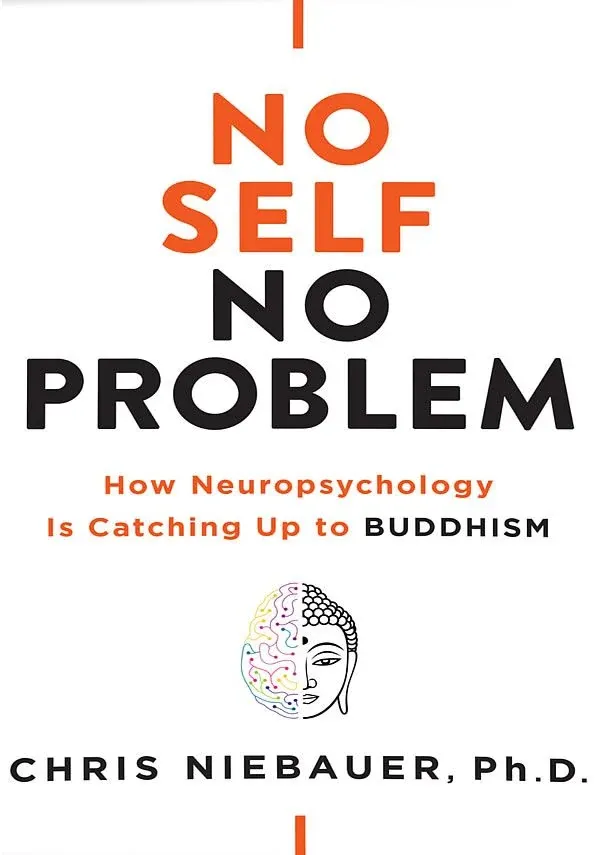
Book cover titled No Self No Problem with a split line-drawn head, half brain and half Buddha face.

No Self No Problem: How Neuropsychology Is Catching Up To Buddhism

Book by Chris Niebauer, Ph.D.

No Self No Problem:

How Neuropsychology Is Catching Up To Buddhism

In this groundbreaking book, Niebauer writes that the latest research in neuropsychology is now confirming a fundamental tenet of Buddhism, what is called Anatta, or the doctrine of “no self.”

Niebauer writes that our sense of self, or what we commonly refer to as the ego, is an illusion created entirely by the left side of the brain. He is quick to point out that this doesn’t mean the self doesn’t exist — rather, it does so in the same way that a mirage in the middle of the desert exists: as a thought rather than a thing.

His conclusions have significant ramifications for much of modern psychological practice, which he says is spending much of its time trying to fix something that isn’t there.

A mirage exists — as a thought rather than a thing. So does the self.

What makes this book unique is that Niebauer offers a series of exercises that allow the reader to experience this truth for him- or herself, as well as additional tools and practices to use after reading — all designed to change the way we experience the world, toward a way based on being rather than thinking.

Get your copy now!

Available now!

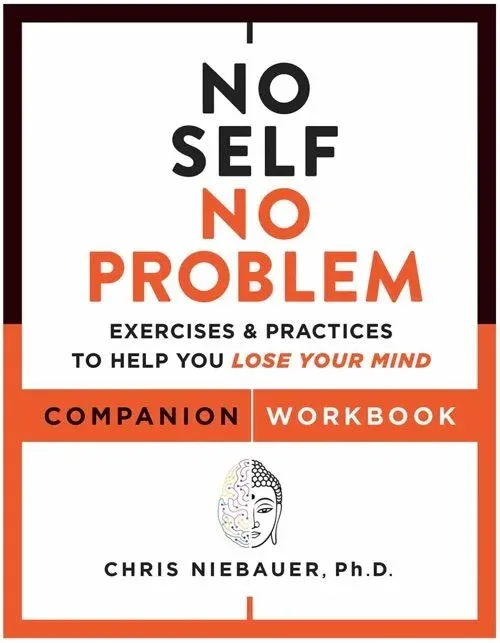
No Self No Problem Companion Workbook:

Exercises & Practices to Help You Lose Your Mind

The companion workbook turns the ideas of No Self No Problem into hands-on practice. It is a workbook of exercises that explains…

  • The origins of the thinking mind
  • Exactly how the thinking mind is not who you are
  • How to experience the thinking mind as an outdated program that creates problems in your life
  • How to update the mind program to reduce suffering, increase happiness and achieve peace from the mind
Order workbook today
Book cover reading No Self No Problem, Companion Workbook by Chris Niebauer, with a Buddha head outline containing brain
On air

Recent interviews

Chris Niebauer, Ph.D. joins podcasts and video programs to talk about neuroscience, nonduality and the illusion of the self. Watch or listen below, and find more on the Blog.

  • Nothing Media

    Dr. Chris Niebauer: Neuroscience and Nonduality Interview

    Watch here
  • The Consciousness Podcast

    A conversation on consciousness and the thinking mind.

    Listen here
  • Business meets Spirituality

    #084 – An Interview With Neuroscience & Consciousness Author Chris Niebauer — No Self, No Problem

    Listen here
  • The Naked Guru In Thailand

    Chris Niebauer Ph.D | How Neuropsychology Is Catching Up With Buddhism – No Self No Problem

    Watch here
  • The Conscious Perspective (#35) with Chris Niebauer

    An episode exploring the self, thought and perception.

    Watch here
Reader reviews

What people are saying

An inspiring and informative take-down of abstract concepts

Abstract concepts can be useful but also a source of great suffering when they are reified and serve no purpose. Chris Niebauer presents a simple but useful abstract concept of his own, a metaphorical ladder of the most "grounded" concepts at the bottom of the ladder, closest to physical reality, to "higher" (more abstract) concepts that are purely imaginative constructions of the mind. The most abstract concepts at the top of the ladder can be incredibly useful, for example, scientific models that connect to the physical world. But, too often, we fixate on abstract concepts as if they were just as real as physical objects, and the consequences are mostly negative. It can be difficult to see this in everyday life because everyone else is believing in concepts such as moral goodness, human rights, fairness, ownership, and money as if these are physically real things instead of just social constructions of reality. They are reinforcing our faulty thinking about abstract concepts. Niebauer's book is the antidote to wrongheaded thinking about abstract concepts. The last portion of his book is about the ultimate abstract concept, The Self, and is thus a continuation of his previous excellent book, No Self, No Problem. I strongly recommend both books.

John A. Johnson

Where neuroscience meets spiritual practice

“I loved this book. Chris Niebauer has a rare gift for integrating psychology and neuroscience with spiritual practice and personal development, and The Abstract Mind shows that gift at its best.”

Victoria

Just take a minute, stop and wonder.

Amazing little book. What Niebauer does is rare. He writes devoid of any intellectual academic boasting so that we can all enjoy the wonders of science and philosophy at human level and pace. At the same time this book is profoundly deep and full of insight. Just like "No self..." a superb read. The humor and lightness is another of Niebaur's traits, that I just love. Keep ’em coming, Chris!

Peter Winding

A few popular videos

More on YouTube

Buddha at the Gas Pump

Balancing the Mind with Chris Niebauer

giving up on self improvement

Neuropsychology and Eastern Philosophy

Lose Your Self, Lose Your Problems

5 Tricks That Mellow the Left Brain

The author

Who is Chris Niebauer, Ph.D.?

Chris Niebauer is a cognitive neuropsychologist and author whose work connects neuroscience with Eastern thought. While in grad school in the early 1990s, he began to notice striking parallels between the latest discoveries in psychology, neuroscience, and the teachings of Buddhism, Taoism, and other schools of Eastern thought.

His ideas were quickly dismissed as “pure coincidence, nothing more.”

Fast-forward 20 years later and Niebauer is a PhD and a tenured professor, and the Buddhist-neuroscience connection he found as a student is practically its own genre in the bookstore. But according to Niebauer, we are just beginning to understand the link between Eastern philosophy and the latest findings in psychology and neuroscience — and what these assimilated ideas mean for the human experience.

About the author
Banner reading 'Interviewed by MysticMag' beside a black-and-white portrait of a smiling man and a quote from Chris
Questions

Frequently asked questions

Quick answers about the books, the workbook and the ideas behind them. For anything else, reach out through the Contact page.

What is The Abstract Mind about?

The Abstract Mind: How Thinking Became the Source of Suffering — And How to Break Free explains how abstraction creates illusions that interfere with our perception of reality, how those illusions give rise to mental suffering, and how, with a little practice, you can learn to see through them. It isn’t another guide to mindfulness; it’s a mirror that shows how deeply we’ve confused thought for life.

Does No Self No Problem say the self doesn’t exist?

No. Niebauer argues that the sense of self, or ego, is an illusion created by the left side of the brain — but the self exists the way a mirage in the desert exists: as a thought rather than a thing. This mirrors the Buddhist doctrine of Anatta, or “no self,” which he says neuropsychology research is now confirming.

What does “99% of our problems are due to thinking” mean?

It points to the core of Chris Niebauer’s work: using neuroscience to show how the thinking mind causes suffering. The thinking mind creates the idea of who we think we are, in addition to most of the problems we think we have. The goal is to start using your mind rather than having your mind use you.

What is in the Companion Workbook?

The No Self No Problem Companion Workbook: Exercises & Practices to Help You Lose Your Mind explains the origins of the thinking mind, how the thinking mind is not who you are, how to experience it as an outdated program that creates problems, and how to update that program to reduce suffering, increase happiness and achieve peace from the mind.

Where can I buy the books?

Copies are available through Amazon, Barnes & Noble and Audible. Use the “Get your copy now” links above, or visit The Books page for details on each title.

Where can I hear Chris Niebauer speak?

He has appeared on Nothing Media, Business meets Spirituality, The Conscious Perspective, The Consciousness Podcast and The Naked Guru In Thailand. Links are in the Recent Interviews section, and popular videos — including Buddha at the Gas Pump — are listed above.

Join our mailing list!

Get news on new books, the Companion Workbook, upcoming interviews and fresh writing from the Blog — straight from Chris Niebauer, Ph.D.